Is AI Helping Triathletes Get Faster, Or Is It A Hidden Trap?
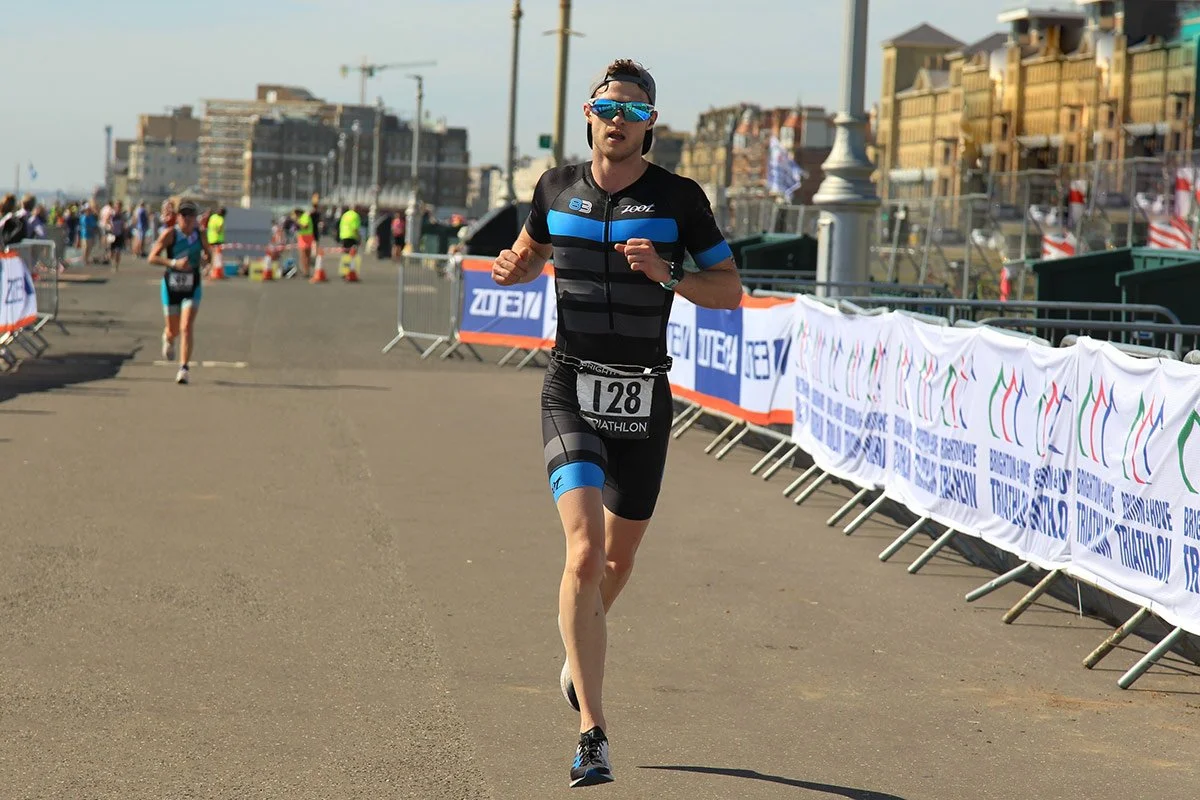
AI is everywhere in triathlon — but is it always helpful?
Everyday triathletes now have access to tools that analyse training load, nutrition, sleep, and recovery at a level that simply wasn’t possible a few years ago.
What used to be reserved for elite sport science labs is now available on a phone or watch.
Used well, artificial intelligence can support better decisions, improve consistency, and reduce guesswork.
Used poorly, it can undermine performance, motivation, and health.
After working with hundreds of triathletes across different distances and ability levels, one thing has become clear to me:
The value of AI depends far less on how advanced the tool is, and far more on how you use it.
This article explores where AI genuinely helps triathletes, where it commonly breaks down, and how to use it as support rather than handing over decisions that still require human judgement.
Where AI can add real value
1. Reducing Friction in Nutrition Tracking
On the nutrition side, the appeal of AI is obvious.
Modern apps can analyse meals from photos, estimate calories and macronutrients, and highlight broad trends in your intake with minimal effort.
For triathletes who eat irregularly, travel for work, or don’t want to weigh every ingredient, this can be incredibly useful.
AI-based tracking can highlight if you’re under fuelling, spot large gaps in macros, and reduce the mental load of logging food in detail.
As a rough monitoring tool, this can help triathletes become more aware of their habits without becoming obsessive.
2. Making Sense of Large Amounts of Training Data
On the training side, AI excels at processing information quickly.
Power, pace, heart rate, sleep, heart rate variability, and training load can all be analysed simultaneously — something no human could do efficiently day after day.
This allows AI-driven platforms and devices to identify trends over time, flag sudden changes in load or recovery, and offer tips on rest, intensity, or progression.
For many triathletes, this kind of feedback feels reassuring and objective, especially when training alone without a coach.
Where things commonly go wrong
Despite its strengths, AI has a consistent weakness:
It struggles with context.

Nutrition Without the Human Reality
It’s not uncommon to see triathletes follow AI-generated nutrition targets that look sensible on paper but fall apart in real life.
One recurring example is excessively high protein recommendations that technically fit guidelines, but crowd out carbohydrates and overall energy intake, especially with those who are overweight.
The result is often predictable:
Poor training quality
Low energy levels
Frustration and loss of motivation
No meaningful change in body composition
Weight loss stalls, performance drops, and confidence takes a hit — not because the athlete lacks discipline, but because the recommendation doesn’t fit their physiology, preferences, or training load.
This is where triathletes can drift toward chronic under-fuelling, increasing the risk of Relative Energy Deficiency in Sport (RED-S), particularly during heavy training blocks.
Training Plans That Ignore Life Outside Sport
The same issue appears in training guidance.
AI doesn’t truly know if you’ve had a stressful week at work, poor sleep because of family commitments, or lingering fatigue after illness.
While it may detect changes in data, that information is often incomplete.
Perfectly normal fatigue can be misinterpreted as a problem — or genuine overload can be missed.
This leads to two common scenarios:
The first is pushing too hard when your recovery is compromised and the second is backing off unnecessarily when the body could have continued and adapted.
Both can stall progress over time, but both can be spotted by a good coach.
These are the kinds of conversations that happen regularly inside The Hub, my nutrition system for 70.3 & Ironman triathletes. We regularly discuss these issues, and help triathletes to understand how common AI suggestions can be put into real life practice.
Why “perfect on paper” isn’t enough
AI tends to produce recommendations that sound confident and precise.
Ask how many carbohydrates to take during a session and you’ll get a number that appears authoritative.
But the moment you look deeper, the answer depends on factors AI often can’t fully account for:
Recent training history
Gastrointestinal tolerance
What you ate earlier that day
Your goals for that session and training phase
This is where many triathletes get caught out.
Advice that seems reasonable in isolation can be wrong for you in practice.
AI gives suggestions based on what is already out there on the internet. Your precise condition and needs aren’t on there, and AI can’t give you correct information as it doesn’t have it.
Finding the middle ground
The most effective use of AI in triathlon sits between blind trust and complete dismissal.
AI works best when it is treated as input, not instruction.
It is best to use it to highlight patterns you miss, prompt reflection on habits and trends, and support your decision-making.
The critical skill is knowing when to question the output.
That may come from education, experience, or working with a coach who can interpret the data in context.
What this means for weight and body composition
Weight loss is often a subconscious driver behind AI use, particularly in the off-season.
It’s important to be clear: weight loss is optional, not mandatory, for triathlon performance.
When body composition changes are appropriate, they should be approached with:
Adequate fuelling for training output
A modest, sustainable energy deficit
A focus on weeks and months, not days
AI can help monitor intake and trends, but it cannot judge readiness, resilience, or psychological load.
Those factors matter just as much — especially when balancing training, work, and family life.
The bigger picture: long-term performance
AI has a place in modern triathlon. It can make data more accessible, reduce guesswork, and support consistency.
But it cannot replace self-awareness, experience, or good coaching feedback.
The triathletes who benefit most from AI are not those who outsource decisions entirely, but those who use it to ask better questions.
Ultimately, the goal is not perfect numbers, but sustainable progress — training well, fuelling adequately, recovering properly, and enjoying the process long enough to keep improving.
Used with perspective, AI can support that journey. Used without it, it can subtly pull you off course.
Over the years, I’ve seen plenty of mistakes derail triathletes progress. In this video on Youtube, I go through 5 of the most common mistakes and how to fix them, so you can train and race faster.