Why Ironman Cramping Isn’t Just About Salt — And What Actually Helps
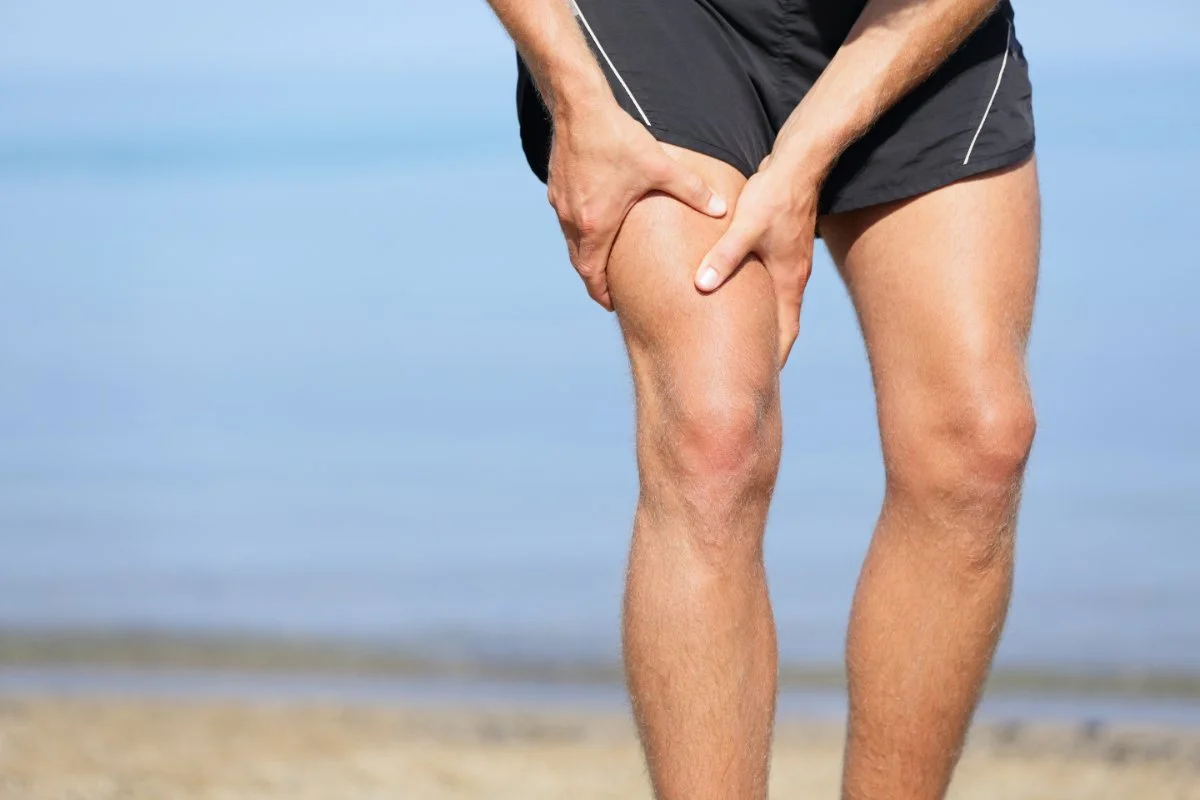
Cramping in Ironman: a familiar problem with an oversimplified explanation
Few things derail an Ironman race faster than cramping. It can creep in slowly on the bike, then fully unravel the run, turning months of preparation into a long, painful shuffle to the finish line.
The most common explanation offered in triathlon circles is simple: you didn’t consume enough salt.
As a result, many athletes respond by adding more sodium tablets, stronger electrolyte mixes, or higher-dose products in the hope of keeping cramps at bay.
Sometimes that helps. But more often than not, it doesn't.
The reason is that cramping during long-distance triathlon is rarely caused by a single factor.
Sodium plays a role, but focusing on electrolytes alone can distract from a much bigger driver of cramping — one that no amount of salt can fix on race day.
Sodium: important, but not the full story
Sodium is essential for endurance performance. It helps regulate fluid balance, supports nerve signalling, and plays a role in muscle contraction.
During long races, especially in warm conditions, sweat losses can be substantial, and failing to replace sodium can increase the risk of low blood sodium levels (hyponatraemia), which is a serious medical issue.
From a safety and performance perspective, it makes sense for Ironman athletes to be proactive with sodium intake.
That said, the direct link between sodium depletion and exercise-associated muscle cramping is weaker than many people assume. Research shows that:
Athletes with normal blood sodium levels can still cramp
Athletes with low sodium do not always cramp
Cramping can occur even when hydration and electrolyte strategies are well executed
In other words, sodium is part of the picture, but it is not a guaranteed solution.
If you’re interested in the science behind cramping, the IOC consensus statement provides a clear overview of why neuromuscular fatigue appears to play a bigger role than electrolyte loss alone.
Practical sodium guidance for Ironman
For most triathletes, a sensible starting point is to consume fluids containing approximately 500 – 2000 mg of sodium per litre, adjusted based on; individual sweat rate, how salty your sweat is (e.g. white salt marks on clothes, stinging eyes), environmental conditions like heat and humidity.
If you are unsure where you fall, starting around 800 – 1000 mg per litre is reasonable for many athletes and can be refined through training feedback.
It is also worth noting that sodium intake should be planned relative to fluid intake, not as a fixed amount per hour.
The concentration of sodium in your drinks matters more than hitting a rigid hourly number, as fluid needs vary with conditions and pacing.
Formal sweat sodium testing is not essential for most age-group triathletes. Day-to-day variability and environmental influences mean that consistent, practical benchmarks are usually sufficient. This could include fewer cramps during training, feeling better hydrated, better performance during long training sessions as well as runs off the bike. These are things I work on individually with members inside The Hub, to continually refine their Ironman nutrition strategies so that they support performance throughout an entire Ironman.
The bigger driver of cramping: muscular fatigue
In practice, the most common underlying cause of cramping I see in Ironman racing is muscular fatigue, not electrolyte failure.
This does not simply mean feeling tired.
It reflects a mismatch between the demands of race day and what the muscles are conditioned to tolerate.
Several factors tend to contribute:
Riding or running too hard early in the race
Poor bike fit or an unsustainable aerodynamic position
Insufficient long-duration training at race intensity
Limited muscular endurance in key muscle groups
When cramping appears relatively early — such as midway through the bike — it is unlikely to be explained by sodium depletion alone, particularly if sodium intake is already within a sensible range.
In those cases, the issue is usually mechanical or pacing-related rather than nutritional.
Athletes newer to long-distance triathlon are especially prone to this. With more experience often comes better bike positioning, improved pacing discipline, and greater exposure to long training sessions.
Cramping frequently becomes less of an issue as these foundations improve, even without dramatic changes in electrolyte intake.

Reducing the risk of cramping: a combined approach
Managing cramping risk requires more than adding another supplement to your race belt.
The most effective strategies address both nutrition and conditioning.
1. Start with a robust hydration and sodium plan
Begin race week well hydrated, particularly during the carbohydrate-loading phase
Use race fluids that provide an appropriate sodium concentration
Account for additional plain water consumed at aid stations by topping up sodium if needed
This supports performance and reduces health risks, even if it is not a guaranteed anti-cramp solution.
If you need a clear, practical guide to carbohydrate loading in the days before an Ironman to race to your potential, you can download my free carb loading guide. It walks you through how to match carbohydrate, fluid, and sodium intake so you arrive on the start line fuelled, hydrated, and ready to race.
2. Build genuine muscular endurance
Accumulate regular long rides (four hours or more) in the build-up to an Ironman
Include sustained blocks at planned race intensity, not just easy volume
Spend meaningful time in your intended race position on the bike
Incorporate strength training that targets quads, hamstrings, glutes, and calves
Five minutes in an aero position here and there is not enough. The muscles must be conditioned to tolerate the exact demands of race day.
3. Pace with restraint and intent
Use objective pacing tools, such as a power meter, where possible
Avoid chasing numbers or competitors early in the race
Aim to finish the bike feeling controlled rather than depleted
Ironman performance is rarely lost by riding slightly conservatively.
It is very often lost by riding just a little too hard and paying for it later. Because pacing errors are such a common contributor to cramping, having a clear understanding of your realistic capabilities can be valuable when setting race metrics like power or heart rate.

A longer-term perspective
Cramping is frustrating, but it is also informative.
It often highlights areas of preparation that need attention — whether that is pacing, conditioning, or overall race execution.
While nutrition is a critical part of Ironman performance, it cannot compensate for under-prepared muscles or poor decision-making early in the race.
Addressing cramping successfully usually involves refining several small elements over time, rather than searching for a single fix.
For many triathletes, the goal should not be to eliminate all risk, but to reduce it through thoughtful preparation, realistic expectations, and a strategy that aligns with their current level of experience.
When those pieces come together, cramping becomes far less likely to define the day — or limit the performance you trained for.