Should Triathletes Lose Weight in the Off-Season? Practical Advice For Age-Group Triathletes
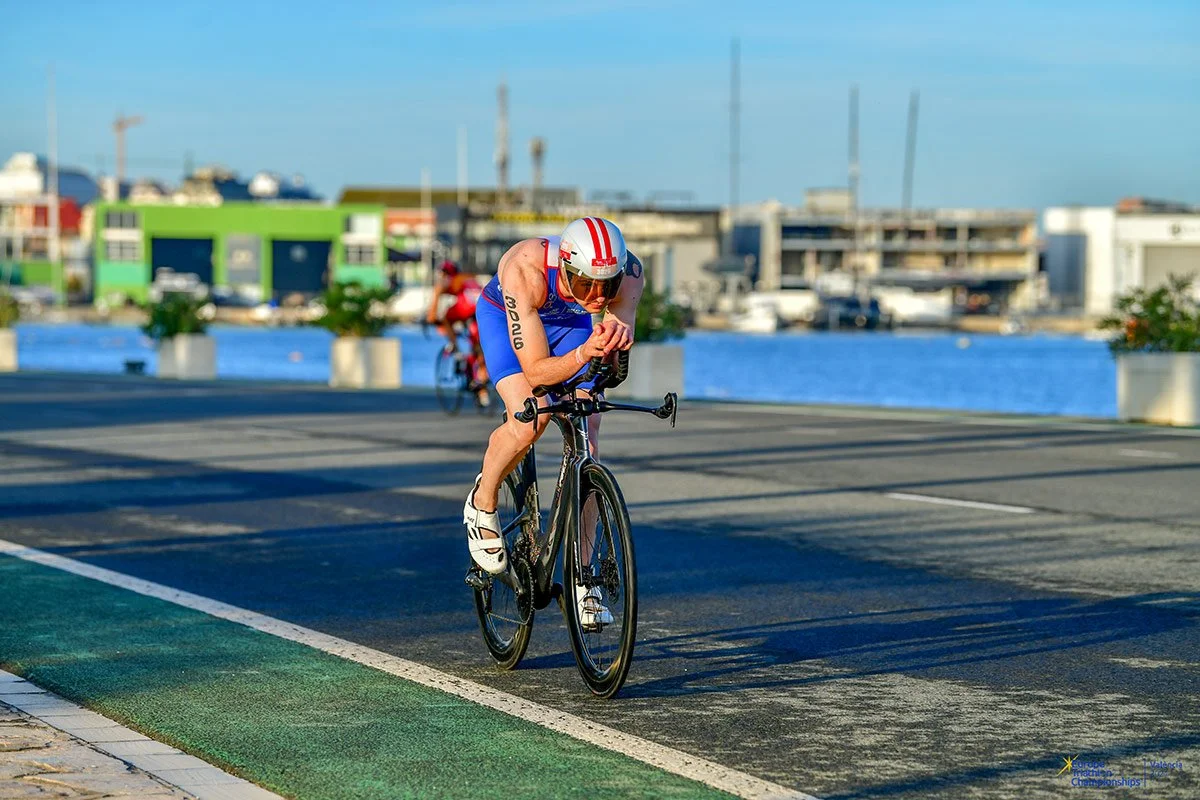
Is the off-season really the best time to lose weight?
For many triathletes, the off-season looks like an obvious opportunity to focus on weight loss.
Training volume drops, intensity eases, and the immediate pressure of racing disappears.
In theory, it feels like the perfect window to “tidy things up” before the next build begins.
In practice, it can be helpful — but only if it’s approached carefully.
Over the years, working with a wide range of amateur and elite triathletes, I’ve seen the same mistakes repeated again and again during the off-season.
The intention is usually good, but the execution often undermines health, training consistency, or long-term performance.
In this article, I’ll take you through the guiding principles to help you decide whether off-season weight loss is appropriate for you — and if it is, how to approach it in a way that supports both performance and wellbeing.
Think body composition, not scale weight
The number on the scale is a blunt tool.
It tells you how heavy you are, but nothing about what that weight is made up of.
For triathletes, this distinction matters. Losing weight by reducing muscle mass is rarely helpful, even if the scale moves in the “right” direction.
Muscle contributes to power production, injury resilience, and overall training capacity — all things you want more of, not less.
A more useful goal is improving body composition: reducing fat mass while maintaining (or even building) lean mass.
Two factors are particularly important here:
Strength training
The off-season is one of the best times of year to invest in the gym. Two to three structured strength sessions per week can help preserve muscle tissue during a calorie deficit and lay foundations for the coming season.
Adequate protein intake
Protein supports muscle maintenance and repair. As a broad guideline, most triathletes do well with around 1.6–2.2 g of protein per kilogram of bodyweight per day, spread across meals.
Taken together, strength training and sufficient protein shift the focus away from “getting lighter” and towards becoming a more robust, capable triathlete.
If you want a clearer framework for fuelling training while supporting body composition goals, I’ve put together a free fuelling guide for triathletes for you to download. It covers how to balance energy intake across different training phases, without compromising performance.

Be cautious with calorie deficits
One of the most common off-season mistakes is cutting calories too aggressively. Large deficits can lead to faster weight loss in the short term, but they come with trade-offs that are often overlooked.
Firstly, they are hard to live with.
Low energy availability tends to show up as poor mood, constant hunger, low motivation, and disrupted sleep. Even without heavy training, this quickly becomes unsustainable.
Secondly, there are genuine health risks.
Large or prolonged energy deficits increase the likelihood of relative energy deficiency in sport (RED-S), which can affect immune function, bone health, hormonal balance, and training adaptation. If you’d like a deeper explanation of RED-S and why it matters for endurance athletes, you can read more in this article.
For most triathletes, a modest deficit is a safer and more effective option.
As a general starting point, something in the region of 300–500 kcal per day is often enough to promote gradual fat loss while still supporting training and recovery. The exact number will depend on factors like body size, training load, and intensity.
Slower progress can feel frustrating, but it’s far more likely to stick — and far less likely to cause problems later in the season.
The off-season is a mental reset as well
Recovery isn’t just physical. The off-season also plays an important psychological role, especially after a long period of structured training and racing.
If weight loss becomes the sole focus, what should be a restorative phase can quickly turn into another source of pressure.
Athletes who start the new season mentally drained often struggle to train consistently, regardless of how lean they’ve become.
A more sustainable approach is to focus on a small number of simple nutrition habits rather than a tightly controlled diet. For example:
Including a clear protein source at each main meal
Prioritising a recovery snack after harder sessions
Eating more regularly rather than skipping meals
These habits move things in a positive direction without demanding constant willpower. They also tend to carry over naturally into the next training phase.
Within structured environments like triathlon nutrition communities or coaching setups, this habit-based approach allows adjustments to be made early if something isn’t working — before it becomes a bigger issue.
Apply the same long-term thinking you use in training
Most triathletes understand that fitness isn’t defined by a single session. Missed workouts happen, but progress is judged over weeks and months, not days.
Nutrition deserves the same perspective.
The off-season often coincides with winter, holidays, and more social commitments.
Expecting perfection during this time usually backfires.
An all-or-nothing mindset — where one unplanned meal leads to abandoning the entire plan — is one of the biggest barriers to consistency.
Instead, aim for a broader view:
Accept that some meals or weeks will be less structured
Enjoy social occasions without guilt
Return to your usual habits at the next opportunity
Consistency across the majority of days matters far more than short bursts of rigidity. This approach builds skills you’ll rely on during race season, when nutrition rarely goes exactly to plan either.

Remember: weight loss might not be right for you
Perhaps the most important point is this: the off-season does not have to be about weight loss at all.
For some athletes, improving body composition may be appropriate from a health or performance perspective.
As a very rough generalisation, those with a higher BMI may have more room to do this safely. As BMI drops below 23, the potential benefits decrease while the risks increase.
For others, the off-season may be better spent elsewhere — building strength, improving sleep, reducing life stress, or simply rediscovering enjoyment in training without constant optimisation.
Before committing to weight loss, it’s worth asking a more useful question: *what will actually make me a better athlete next year?*
Sometimes the smartest decision is not to chase leanness, but to arrive at the start of the season healthy, motivated, and ready to train well.
If you’re looking for areas to improve with your nutrition, you can watch this YouTube video on 5 key nutrition habits that will take your performance to the next level.