Why Hydration Is Such an Underrated Part of Triathlon Performance
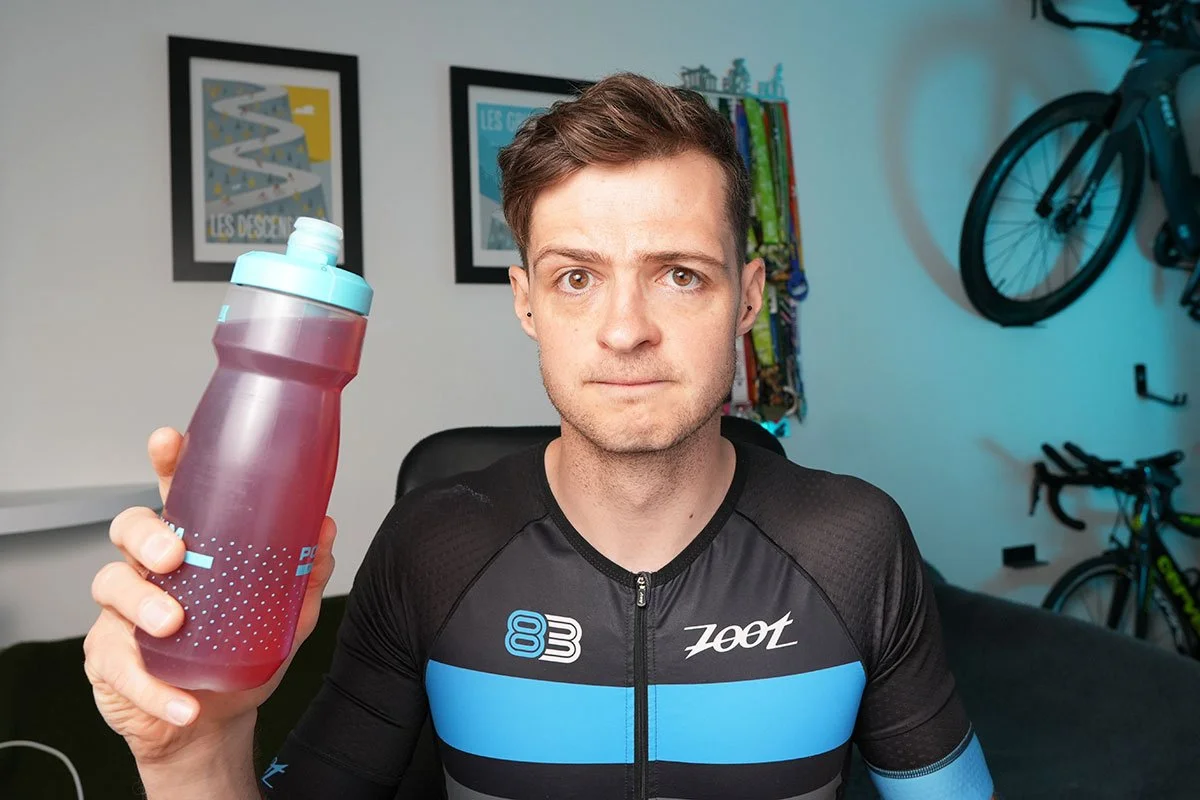
Why hydration deserves more attention in triathlon
Most triathletes spend a lot of time thinking about calories, carbohydrates, and race fuel. Far fewer give the same level of attention to hydration.
Yet for many athletes, improving hydration is the single change that unlocks better training quality, faster recovery, and fewer unexplained issues like headaches or persistent fatigue.
Hydration is not glamorous, and it doesn’t come with the same buzz as new nutrition products or performance supplements. But when it’s wrong, almost everything else suffers.
When it’s right, training feels smoother, recovery improves, and energy levels become far more consistent.
Understanding how much you actually lose
One of the most helpful steps any triathlete can take is to understand their own sweat losses. Many athletes rely on generic advice — such as drinking a 500mL bottle per hour — without realising how variable sweat rate can be between individuals, conditions, and session types.
During harder bike and run sessions, it is not unusual for triathletes to lose close to (or more than) one litre of fluid per hour.
Over long sessions, this quickly adds up. Without realising it, an athlete can finish a workout several litres down, even if they were drinking regularly.
A simple way to estimate sweat loss is to monitor body weight before and after training:
A loss of 1 kg roughly equals 1 litre of fluid
Repeating this across different conditions (cool vs hot, bike vs run) highlights how much variability there is
Having these numbers doesn’t mean you need to replace everything perfectly during a session. But it does give you a realistic baseline, rather than relying on guesswork and rules of thumb.
Understanding your sweat rate helps you spot whether dehydration might be behind symptoms like headaches or dizzy spells. This video walks you through how to sweat test yourself so you can adjust your fluid strategy with confidence.
Why water alone isn’t always enough
Sweat doesn’t just contain water — it contains sodium.
Replacing fluid without replacing sodium can dilute blood sodium levels, which affects how well fluid is retained and distributed in the body.
At best, this can leave you feeling flat, light-headed, or headachy.
At worst, it increases the risk of hyponatraemia.
While severe cases are rare, milder symptoms are surprisingly common in endurance athletes.
Including sodium in fluids, particularly for longer, hotter, or harder sessions, helps in several ways. For example, it can improve fluid regulation, support thermoregulation (temperature control) and enhance carbohydrate absorption.
Many triathletes benefit from fluids containing roughly 500–1500 mg of sodium per litre, depending on conditions, intensity, and individual sweat composition.
Starting sessions already hydrated
Hydration doesn’t begin when the session starts.
Many athletes unknowingly begin morning workouts under hydrated, especially after overnight fluid losses.
A simple habit that makes a noticeable difference is drinking some fluid before training — often around 300–500 mL — rather than heading straight out the door.
Including a small amount of sodium here can further improve tolerance and reduce stomach discomfort during exercise. After figuring out your sweat rate, you can start experimenting with adding table salt to your drinks. 1g of table salt gives you 400mg of sodium. A typical range for sodium for triathletes is 500-1500mg of sodium per litre of fluid, and you can experiment with quantities in your training sessions. Keep an eye on symptoms like headaches, cramps and dizzy spells, and be sure to get professional help if any persist despite being in the correct sodium range.
Contrary to common fears, starting better hydrated often reduces the chance of gastrointestinal issues, particularly during harder runs.
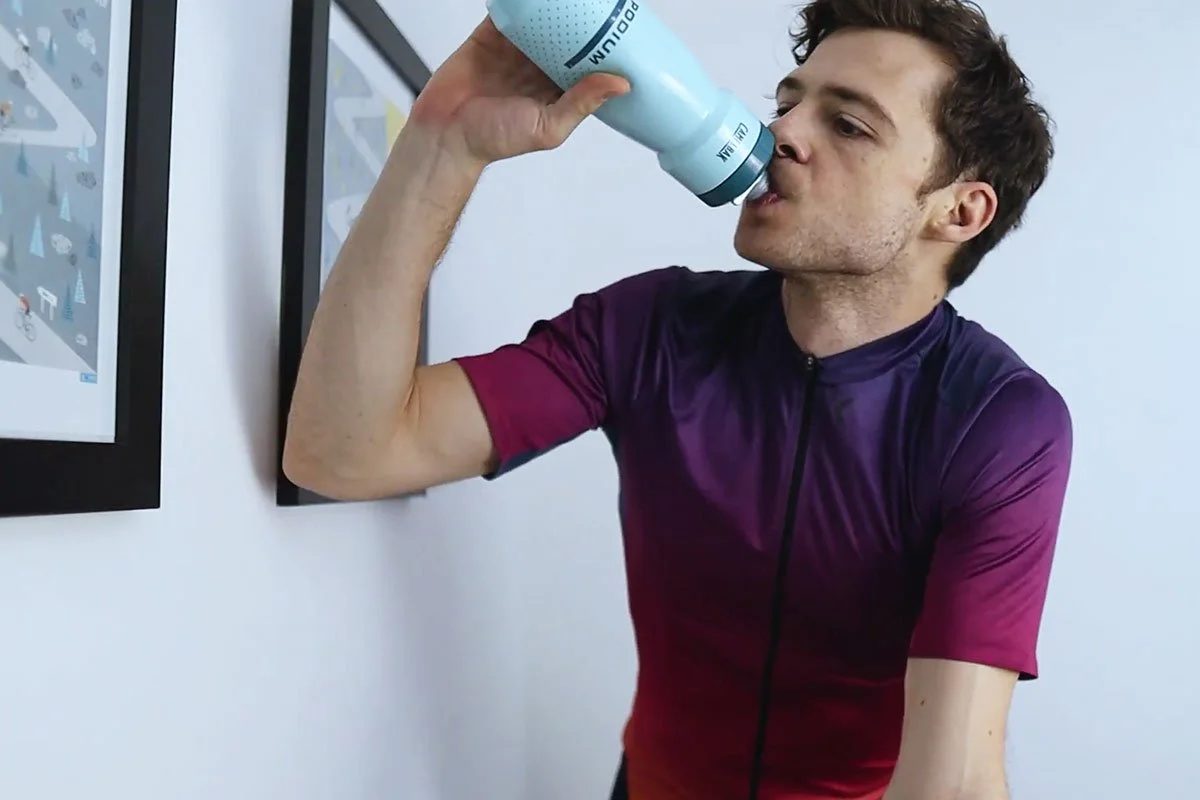
Recovery hydration: the missing piece
Post-session nutrition tends to focus on food, but fluid replacement is just as important.
If you finish a long or intense session with a significant fluid deficit, it needs addressing alongside recovery meals.
General guidance suggests replacing around 125–150% of fluid lost during exercise over the hours that follow.
That might sound excessive until you look at the numbers.
For example:
Sweat rate: ~1 litre per hour
Session length: 4 hours
Fluid consumed during training: ~2 litres
That leaves a deficit of around 2 litres, meaning 2.5–3 litres of fluid may be required post-session to fully rehydrate.
Without awareness of these figures, it’s easy to underdo recovery hydration, particularly during heavy training blocks or race weeks.
Accumulating dehydration across sessions can undermine both your recovery and performance.
Practising hydration like you practise fuel
Hydration strategies should never be improvised on race day.
Just like carbohydrate intake, fluid and sodium targets need to be tested and refined in training — particularly during long rides, long runs, and brick sessions.
This process helps you understand the total amount of fluid you can carry, how your gut will tolerate things, and how on-course options might fit into your plan,
Hydration may not get as much attention as fuelling, but neglecting it can limit performance just as effectively.
Matching hydration to session demands
Not every session requires the same approach.
Short, low-intensity workouts usually don’t need much more than plain water.
Longer or harder sessions, particularly in warm conditions, benefit from more structured fluid and sodium intake.
Flexibility is key.
Adjust hydration based on:
Session duration and intensity
Environmental conditions (heat/humidity)
Current hydration status
This allows you to meet your needs without overcomplicating things — or overspending on products you don’t always need.
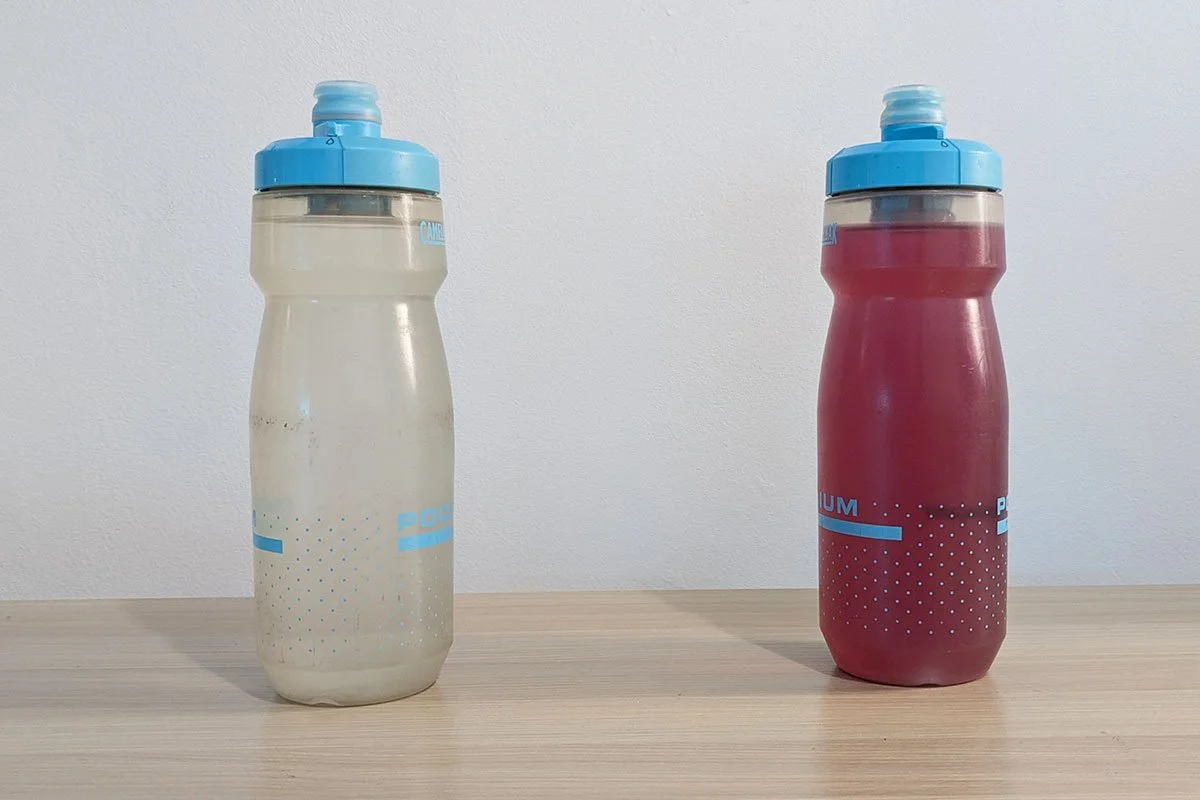
The bigger picture
Hydration often feels basic, but its impact is anything but.
If symptoms such as headaches, gut discomfort, low energy, or patchy performance are being driven by inadequate fluid or sodium, bringing intake in line with training demands can make a meaningful difference. Getting your sodium and hydration strategy right can make a big difference.
Like most aspects of triathlon nutrition, hydration rewards a long-term mindset.
Small, sensible adjustments made consistently over weeks and months deliver far greater returns than reactive fixes.
Getting hydration right doesn’t just support performance — it supports your ability to train well, recover properly, and stay healthy enough to keep progressing. If you’re thinking more broadly about how repeatable habits can shape long-term outcomes, this blog post gives you 7 strategies to make the 2026 triathlon season your best yet!