Eating to Train Well: Practical Nutrition Habits for Triathletes
Why daily nutrition habits matter more than you think
Most triathletes are highly motivated. They train early, fit sessions around work and family, and generally try to “eat well.”
Yet many still feel persistently tired, struggle to recover, or find that training doesn’t translate into the improvements they expect.
In many cases, the issue isn’t a lack of discipline or knowledge. It’s a set of everyday nutrition habits that don’t quite match the demands of triathlon training.
Small mismatches, repeated day after day, add up over weeks and months.
The habits below aren’t extreme or complicated. They are simple principles that support performance, recovery, and long-term health when applied consistently.
1. Fuel training with enough carbohydrates
Carbohydrates are the primary fuel for endurance training and racing. Without enough, sessions feel harder than they should, recovery slows, and fatigue accumulates quickly.
Despite this, many triathletes deliberately limit carbohydrate intake in an attempt to “stay lean,” only to wonder why they feel flat or struggle to hit pace and power targets.
Carbohydrate needs vary widely depending on training volume and intensity, but a useful guideline for triathletes is roughly 3–10 grams of carbohydrate per kilogram of body weight per day.
That range is broad because it scales with training load. A lighter recovery day and a long brick session should not be fuelled the same way.
In practice:
On lower-volume days, carbohydrate intake can be more modest
On long or intense days, carbohydrate needs increase significantly
Base meals can centre on whole-food carbohydrate sources such as oats, rice, potatoes, pasta, and fruit.
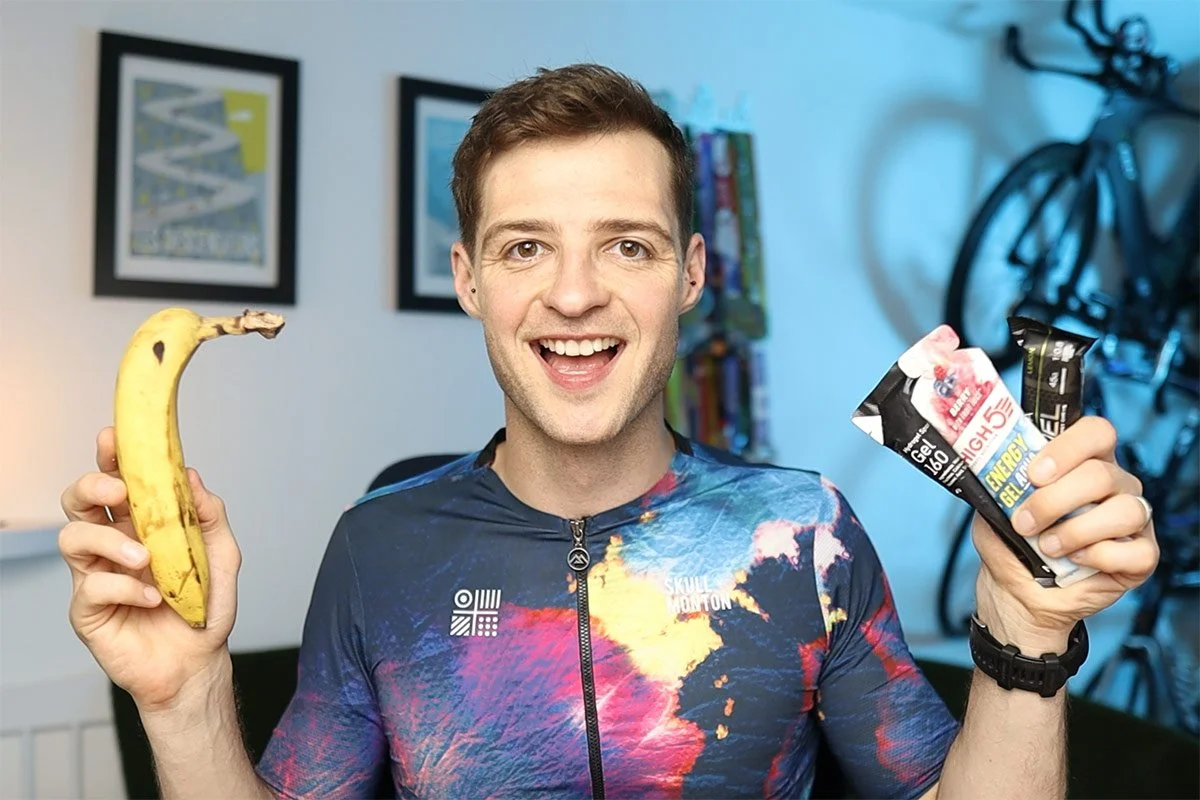
Around training, quicker-to-digest options like sports drinks, gels, bananas, or simple sweets, often make fuelling easier and more effective.
The goal is not to eat high-carb all the time, but to match intake to the work you’re doing.
2. Eat enough overall to support training and health
When training load increases, energy intake needs to rise with it.
One of the most common mistakes in triathlon is training many hours per week while eating in a way that would be more appropriate for a sedentary lifestyle.
Consistently under-eating can lead to low energy availability, a state where there isn’t enough energy left to support basic physiological functions once training is accounted for.
Over time, this can affect hormones, bone health, immune function, and recovery — collectively referred to as RED-S (Relative Energy Deficiency in Sport).
RED-S doesn’t require extreme dieting. A small but consistent failure to increase intake as training increases can quietly accumulate across weeks and lead to low energy availability.
If appetite is low or it feels hard to eat enough, try prioritising carbohydrate-rich foods, which are the main fuel for training. Include healthy fats, which are energy-dense and less filling. And finally avoid deliberately restricting any macronutrient group
Eating enough is not a lack of discipline; it is a requirement for adaptation.
I’ve put together a Free Fuelling Guide designed specifically for triathletes, to help you apply the correct nutrition habits to your routine. This will help you fuel smarter, train harder and recover better.
3. Treat protein as a daily priority
Protein is often associated with strength training, but it is just as important for endurance athletes.
It provides amino acids, the building blocks your body needs to repair muscle tissue and adapt to training.
Many triathletes fall short here, particularly those who focus heavily on “clean eating” but don’t include enough protein-rich foods.
Others rely on sporadic intake rather than spreading protein across the day.
A practical approach is to include a clear protein source at each main meal and after training.
This might include:
Lean meats, fish, eggs
Dairy or dairy alternatives
Soy, beans, and legumes
Protein supplements can be convenient, but they are not mandatory.
Most triathletes can meet their needs through food with a bit of planning.
4. Make room for enjoyment, not just “perfect” eating
A common pattern among triathletes is the complete removal of foods labelled as “bad”.
Sugar, desserts, snacks, or anything perceived as indulgent.
This often works for a short period before ending in frustration or overeating.
Nutrition isn’t just about nutrients. It’s also about enjoyment, satisfaction, and sustainability.
Interestingly, some foods often viewed as “junk” can be highly appropriate in certain contexts.
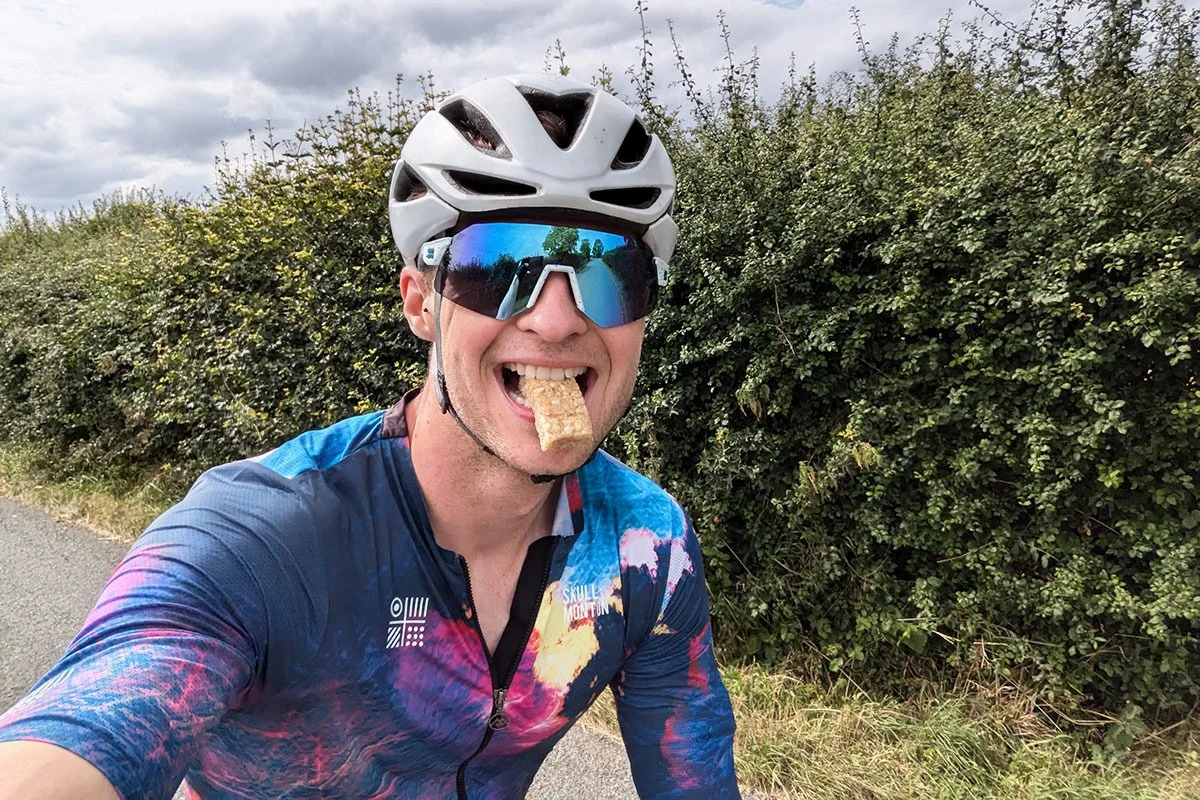
Fast-acting carbohydrates — such as sugar, sweets or sports drinks — can be ideal before, during and after training, when quick energy is needed without gastrointestinal discomfort.
Rather than dividing foods into good and bad, it’s more helpful to think in terms of context. Nutrient-dense meals help to support health and recovery. We fuel purposely to support training and build enjoyment into the approach to make it sustainable.
A nutrition plan you can stick to is far more effective than one that looks perfect on paper.
5. Plan ahead to protect recovery
Understanding nutrition principles is useful, but outcomes often come down to preparation.
Many under-fuelling issues happen not because athletes don’t care, but because they finish sessions with nothing planned.
If you end a workout exhausted and unprepared, convenience usually wins — and that often means inadequate recovery nutrition.
Simple planning makes a disproportionate difference:
Decide what you’ll eat after training before you start
Keep easy options available: a smoothie, a sandwich, a yoghurt and fruit, or a protein bar
Pack fuel for long days so intake doesn’t fall behind
This habit becomes especially important during heavy training blocks, where failing to plan can result in large energy deficits that affect performance for days afterward.
Weight loss, if it is a goal, should never come at the expense of recovery or health.
For many triathletes, better fuelling leads to improved body composition naturally by allowing higher-quality, more consistent training.
The bigger picture
Effective triathlon nutrition isn’t about perfection or rigid rules.
It’s about aligning daily habits with the demands you place on your body.
Eating enough carbohydrates to fuel training, consuming sufficient energy overall, prioritising protein, allowing flexibility, and planning ahead are not flashy strategies — but they work.
Over time, these habits reduce fatigue, improve recovery, and make consistent training possible.
In triathlon, progress is rarely about doing something extreme.
It’s about doing the basics well, day after day, so that your training can actually do what it’s supposed to do.
Strong nutrition habits support training performance, but they work best when paired with consistent training. This video outlines practical ways triathletes can maintain training consistency, even when life and schedules aren’t ideal. This will help your training progress consistently over time.