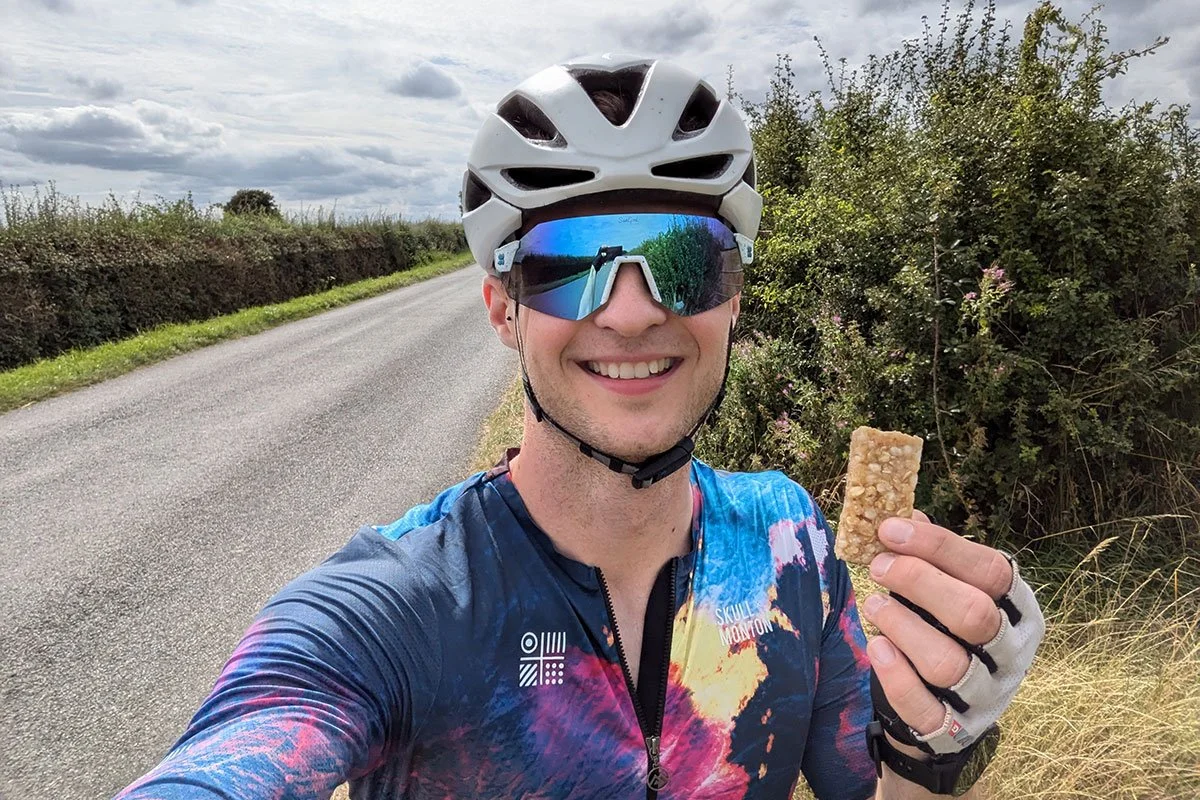
Spend a few minutes scrolling through social media and it’s easy to believe that triathlon demands an endless budget: a superbike, multiple wetsuits, carbon everything, and shelves full of branded nutrition products.
The reality is very different.
For most people, the biggest barrier to getting into triathlon — or sticking with it long term — isn’t the actual cost of participation. It’s the perception that you must spend heavily to belong or to perform well.
That perception often pushes athletes into unnecessary purchases long before they understand what truly matters.
Having worked with triathletes across all levels, and having raced myself from local events through to international age-group competitions, one pattern is clear:
Smart spending supports consistency whilst impulsive spending rarely improves performance.
The overlooked cost: race entry fees
One of the least discussed expenses in triathlon is race entry itself.
Compared to running events, triathlon entries are expensive:
Local sprint or standard races can cost $70–135
Middle-distance events often sit between $270–550
Branded long-course races can approach £955
That’s before travel, accommodation, or time off work.
For newer athletes, this matters.
Jumping straight into large, high-profile races can quickly inflate costs and expectations. Starting with smaller, local events allows you to experience the sport, build confidence, and decide whether you genuinely enjoy the process before committing further.
There’s nothing wrong with aiming high — but it’s sensible to build your way there gradually.
Everyday training does not require premium nutrition
One of the most persistent myths in triathlon is that every session must be fuelled with specialist sports nutrition products.
Sports nutrition absolutely has a place, particularly for racing and key long sessions where convenience, predictability, and gut tolerance matter.
But using gels, chews, and drinks for every workout is rarely necessary — and often expensive.
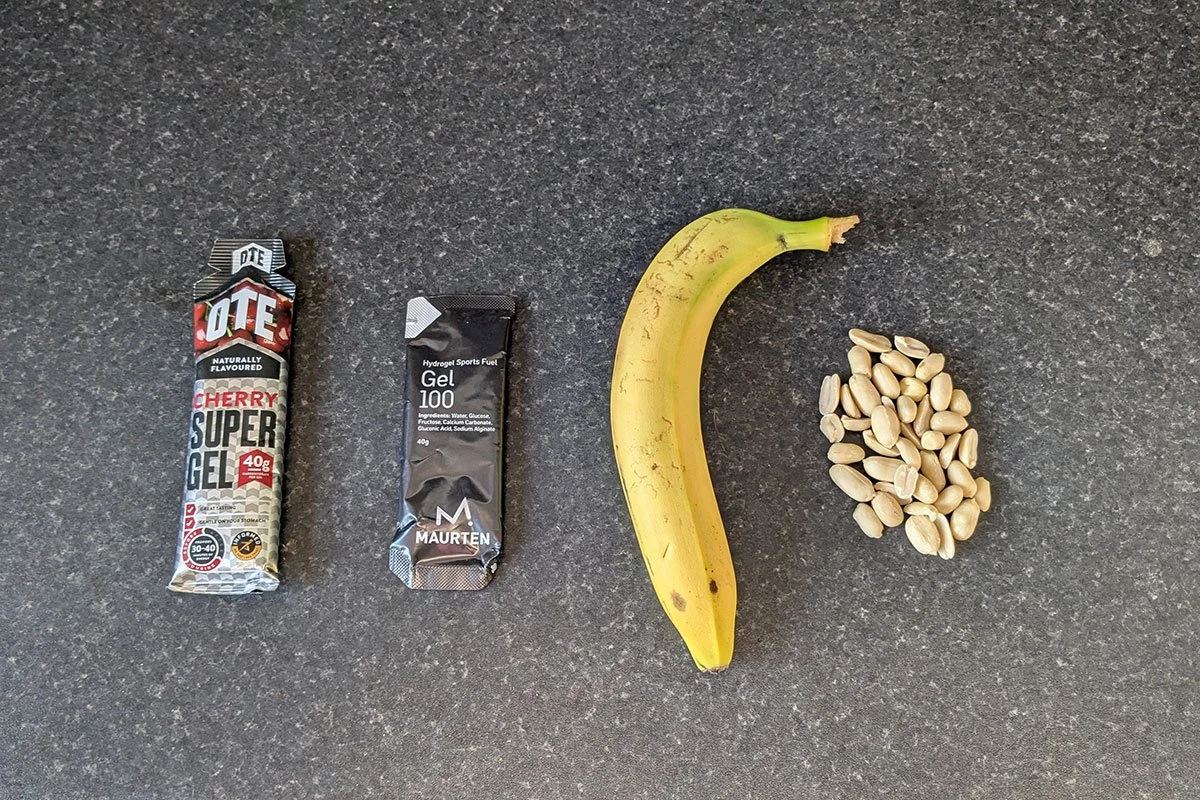
For many training sessions, everyday foods work just as well. Things like fruit, cereal bars, toast with jam or honey, homemade carb drinks, even baby food pouches, can all provide the fuel you need for training.
The performance benefit comes from adequate carbohydrate intake, not from the logo on the wrapper.
Save specialist products for when they actually make things easier, such as reducing gut stress or keeping things light, instead of using them out of habit.
This is covered in more depth here, with practical guidance on making cost-effective choices without compromising fuelling quality.
You don’t need an expensive bike to race well
There’s no denying that high-end bikes are impressive pieces of engineering. They’re enjoyable to ride and, at the elite end, marginal gains do matter.
But for the vast majority of triathletes, the biggest determinant of bike performance is fitness — not price.
Many athletes race successfully for years on entry-level road bikes, second-hand bikes, or road bikes with clip-on aero bars.
A well-fitted, comfortable position will almost always deliver more benefit than upgrading components.
Before spending heavily, prioritise consistent training, comfort and control and a professional bike fit when possible.
Deciding whether triathlon is something you want to invest in long term should come before upgrading equipment.
The “extras” are optional, not essential
Triathlon has no shortage of add-ons: aero helmets, carbon shoes, power meters, wind-tunnel-tested race suits. These items can be useful tools — but they are not prerequisites for enjoyment or progression.
Early on, the essentials are simple: goggles, a safe, roadworthy bike, and something you can swim, ride and run in.
Even as you become more competitive, upgrades should be viewed as refinements, not foundations. They enhance an already solid setup; they don’t replace it. Your biggest gains will come from your training and nutrition rather than equipment.
Why spending more rarely equals going faster
It’s easy to assume that each purchase brings you closer to better performance.
In reality, the biggest drivers of improvement are rarely exciting — and almost never expensive.
Progress in triathlon comes from:
Training consistently, not excessively
Recovering properly between sessions
Eating enough to support training and health
Sleeping well
Staying injury, and illness-free
These are the unglamorous basics, but they compound over months and years. No piece of equipment can replace that accumulation of work.
A more sustainable way to think about triathlon spending
A helpful mindset shift is to ask:
“Will this purchase help me train more consistently over the next 6–12 months?”
If the answer is no, it may not be the best use of resources right now.
Triathlon doesn’t need to be cheap — but it does need to be intentional. Thoughtful spending supports longevity in the sport, protects enjoyment, and allows performance to improve naturally over time.
The athletes who progress the furthest are rarely the ones who buy everything at once.
They’re the ones who keep turning up, year after year, doing the basics well.
If you like keeping things simple (and saving a bit of cash), check out this video on sports nutrition substitutions — they give you everything you need for most sessions without the price tag of branded products… So you can spend it on things that really matter, like personalised coaching for 70.3 and Ironman triathletes 😉