RED-S in Triathlon: Why Underfueling Can Break More Than Your Performance
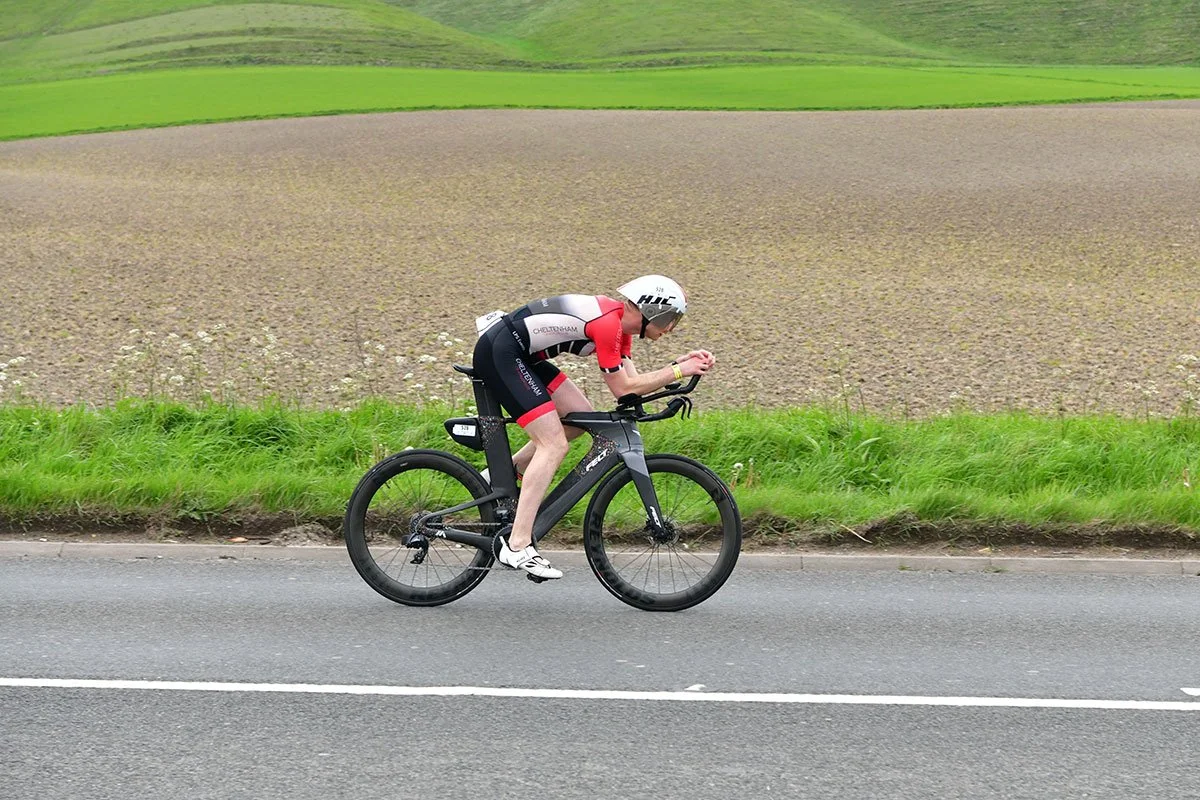
When high training meets low energy
In recent seasons, discussions around injury and underfueling have become more open in triathlon. When elite athletes such as Lionel Sanders publicly reflect on their experiences with stress fractures and Relative Energy Deficiency in Sport (RED-S), it naturally prompts wider reflection.
It would be easy to assume that RED-S is a problem reserved for professionals training 20 hours or more per week. In reality, that assumption is one of the reasons the condition is so common — and so often missed — among age-group triathletes.
RED-S does not require extreme dieting or dramatic mistakes. It can develop gradually, through small but persistent gaps between how much energy you use and how much you take in.
What is RED-S, in practical terms?
At its core, RED-S is about low energy availability. Your body needs energy not only to train, but to also maintain basic physiological functions such as hormone production, immune defence, bone turnover, and brain function.
A useful way to think about this is energy budgeting. Every day, energy is required for:
Essential bodily processes (your baseline needs)
Training and general movement
When intake consistently fails to cover both, the body adapts by prioritising survival over performance.
Over time, it begins to scale back systems it considers “non-essential” for immediate survival.
That adaptive response is RED-S.
One common contributor to low energy availability is simply not having clear guidance on how much fuel is needed to support both training and health.
Although not directly linked to this article, this Fuelling Guide keeps things simple and shows you how to fuel your training in a way that supports strong, consistent performance — before, during, and after every session.

Why RED-S matters for triathletes
RED-S is not just about feeling tired or losing a bit of form. Its effects can be wide-ranging and, in some cases, serious.
Bone Health and Injury Risk
Chronically low energy availability can suppress hormones such as oestrogen and testosterone. These hormones play a key role in maintaining bone density.
When they are reduced, bones become more vulnerable to stress reactions and stress fractures — even in athletes with moderate training loads.
Hormonal Disruption
In women, RED-S may present as irregular or absent menstrual cycles.
In men, reduced libido or loss of regular morning erections can indicate suppressed testosterone.
These are not trivial issues; they are important physiological warning signs.
Psychological and Cognitive Effects
Low mood, irritability, poor sleep, and reduced motivation are common in athletes who are underfuelled.
These changes are often misattributed to stress or overtraining when energy intake is the underlying issue.
Illness, Recovery, and Performance
RED-S impairs immune function and slows recovery. Training sessions feel harder, pace and power targets become difficult to hit, and consistency starts to fall apart.
Over time, performance stagnates despite continued effort.
RED-S is particularly prevalent in female athletes. This journal article outlines why and how female athletes suffer more from low energy availability, and the actions to take to protect health and performance.
How RED-S develops (often without you noticing)
In most triathletes, RED-S does not come from a single drastic decision. Instead, it develops gradually over weeks or months.
Common examples that can contribute to RED-S include skipping breakfast before early sessions, underestimating how much fuel required for long rides, and keeping intake the same as training volume increases.
Each choice may seem minor in isolation, but together, they create a chronic energy shortfall that eventually catches up with the body.
This is one reason RED-S can affect athletes at any level — from first-time sprint triathletes to experienced Ironman competitors.
Do you need testing?
Since RED-S has gained more attention, many athletes ask about assessments such as DEXA scans or resting metabolic rate (RMR) testing.
A DEXA scan can provide information on body composition and bone density.
An RMR test estimates how much energy your body uses at rest, which may appear suppressed in long-term low energy availability.
These tools can be useful in specific circumstances, but can be expensive to have done. Most triathletes do not need laboratory testing as a first step and should instead look at the signs their bodies are giving them.
When energy intake is insufficient, there are clear signs. You just need to know what to look out for and be willing to be honest with yourself.
In some cases, short-term calorie tracking can be helpful.
Not as a permanent strategy, but as a way to understand whether intake truly matches training demands.

How triathletes can reduce the risk of RED-S
Avoiding RED-S does not require perfection. It requires consistency, awareness, and a willingness to adjust intake as training changes.
Some practical principles that consistently help include:
Fuel regularly, especially around training. Even a small amount of carbohydrate before early sessions is preferable to nothing.
Match intake to training load. Higher-volume or higher-intensity days require more energy.
Prioritise carbohydrates, particularly during heavy training blocks. They are the primary fuel for performance and recovery. Triathletes should usually be consuming 60-90g of carbohydrates per hour to ensure proper fuelling.
Ensure adequate protein (around 1.6–2.0 g/kg/day) and include dietary fat to support hormonal health.
Pay attention to patterns. Persistent fatigue, low mood, declining performance, or repeated illness are not just “bad weeks” when they continue over time.
Weight loss is not a prerequisite for performance, and pursuing it aggressively increases the risk of RED-S.
Improvements in body composition, when appropriate, should always be gradual and secondary to health and training quality.
The bigger takeaway
Triathlon rewards commitment and discipline — but it also punishes the neglect of basic physiology. RED-S is not a sign of weakness or lack of knowledge.
It is often the by-product of training ambition combined with underestimating nutritional needs.
Learning to recognise early warning signs, fuelling adequately, and thinking in terms of weeks and months rather than days can protect both performance and long-term health.
In triathlon, eating enough is not optional.
It is part of the training.
That principle matters even more when carbohydrate intake is intentionally reduced. Check out this article that breaks down the evidence on low carb fuelling approaches for Ironman races.